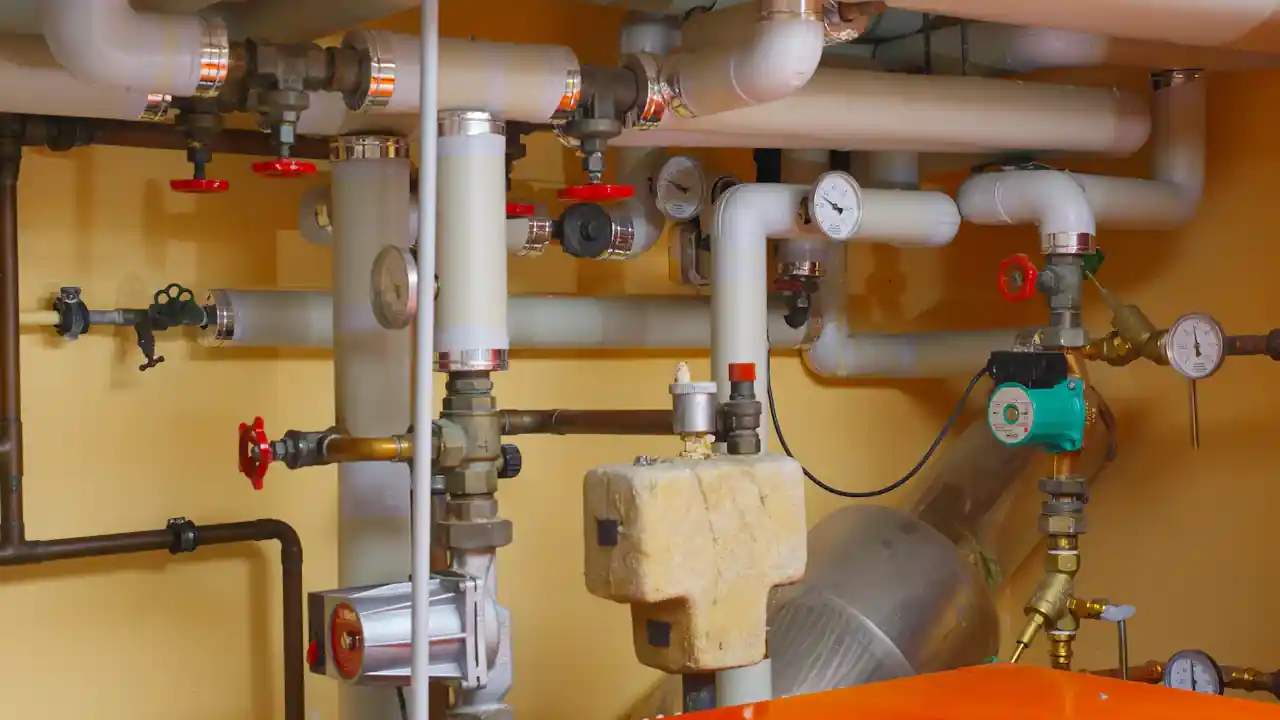
Why is a water heater leaking from the top?
A water heater leaking from the top is usually a fitting problem, not a tank problem. The cold inlet and hot outlet connections, the flexible connectors, the dielectric unions and the shut-off valve above the heater are the usual sources, and water heater supply line replacement fixes most of them in one visit. Water heater supply line replacement fixes most leaks on top of the tank. Corroded nipples and connectors are the usual reason for water heater supply line replacement.
Every tank-style heater has two water connections on top: a cold-water inlet that feeds the dip tube to the bottom of the tank, and a hot-water outlet that sends heated water to the house. Short threaded pipes called nipples screw into the tank, and the house piping connects to them, usually through flexible stainless connectors or rigid pipe with unions. Water heater supply line replacement uses new flexible connectors sized for your heater.
These joints sit in the warmest, most stressed part of the system. They heat and cool with every cycle, they carry the full house water pressure, and they are where two different metals meet. Over the years that combination loosens threads, corrodes metal and wears out seals. The tank itself can be in fine shape while the plumbing on top is dripping. Water heater supply line replacement often includes new dielectric fittings.
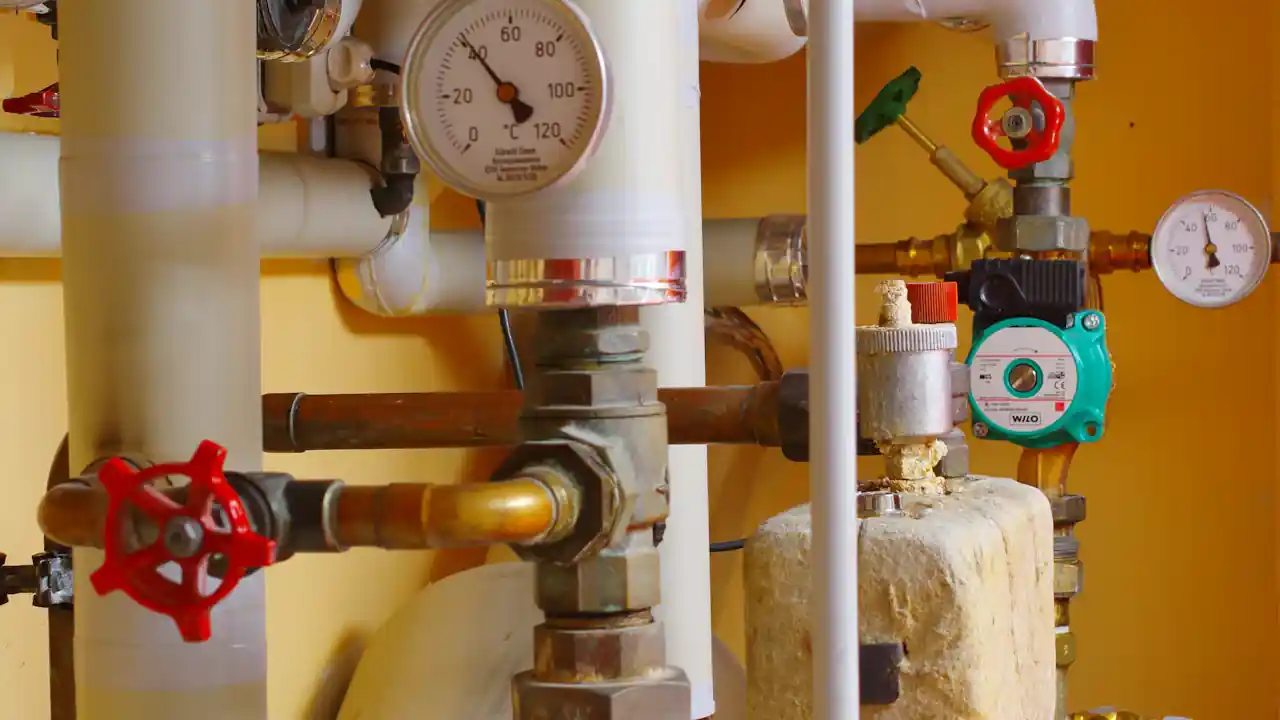
The water heater fittings that leak most often
Flexible water connectors
Corrugated or braided stainless connectors make installation easy and absorb movement, but they have rubber washers inside the nuts that harden with heat. Kinked or over-bent connectors can also crack. A water heater connector leak often shows as a slow drip from one of the nuts. Green or white crust on fittings is a sign water heater supply line replacement is due.
Nipples and heat traps
The short nipples threaded into the tank often contain heat traps or plastic liners. When the steel threads corrode, the joint between nipple and tank can weep. This is the most important one to catch early, because severe corrosion here can damage the tank opening itself. Water heater supply line replacement is quicker and cheaper than a new tank.
Dielectric unions
Where copper house piping meets steel fittings, a dielectric union separates the two metals to slow galvanic corrosion. Older unions eventually corrode anyway and start seeping, often with white or green crust around them. The water must be shut off before water heater supply line replacement starts.
Shut-off valve and anode port
The cold-water valve above the heater can leak from its stem or its connections, and on many tanks the anode rod screws into a port on top that can also weep. A leaking valve is handled with shut-off valve replacement. Water heater supply line replacement reduces corrosion where copper meets steel. Ask for new nipples during water heater supply line replacement on older tanks.
8 signs of a water heater fitting leak
- Drops forming on a connector nut or at the base of a nipple.
- White, crusty mineral buildup around a joint.
- Green or blue staining on copper near the heater.
- Rust streaks running down the tank jacket from the top.
- Water pooling on the tank top or around the flue opening.
- A kinked, bulging or frayed flexible connector.
- Sizzling sounds on a gas heater as drips hit the burner.
- A shut-off valve that weeps when turned.
Leak or condensation? How to tell
On a cold morning, or after a large draw of hot water, a gas heater can produce condensation inside the flue and on cool surfaces. Drops then fall onto the burner and the floor and look exactly like a leak. Condensation is most noticeable when the tank has just refilled with cold water and fades once it is up to temperature. Water heater supply line replacement stops drips from reaching the burner.
To tell the difference, dry the top of the heater and the connections completely, then check again after the heater has been running for an hour. A real fitting leak keeps producing water at the same joint. Condensation does not follow a joint and tends to disappear as the tank warms. If you cannot tell, a provider can confirm it during water heater leak detection. Kinked or bulging connectors need water heater supply line replacement right away.
Safe checks before you call
- Close the cold-water shut-off valve above the heater.
- Dry the connections with a towel, then wrap a dry paper towel around each joint.
- Wait 15 to 20 minutes and see which paper towel gets wet.
- Take a photo of the top of the heater showing the connectors and any corrosion.
WarningDo not force a corroded fitting with a wrench. Old nipples can snap off inside the tank opening, turning a simple repair into a much bigger one.
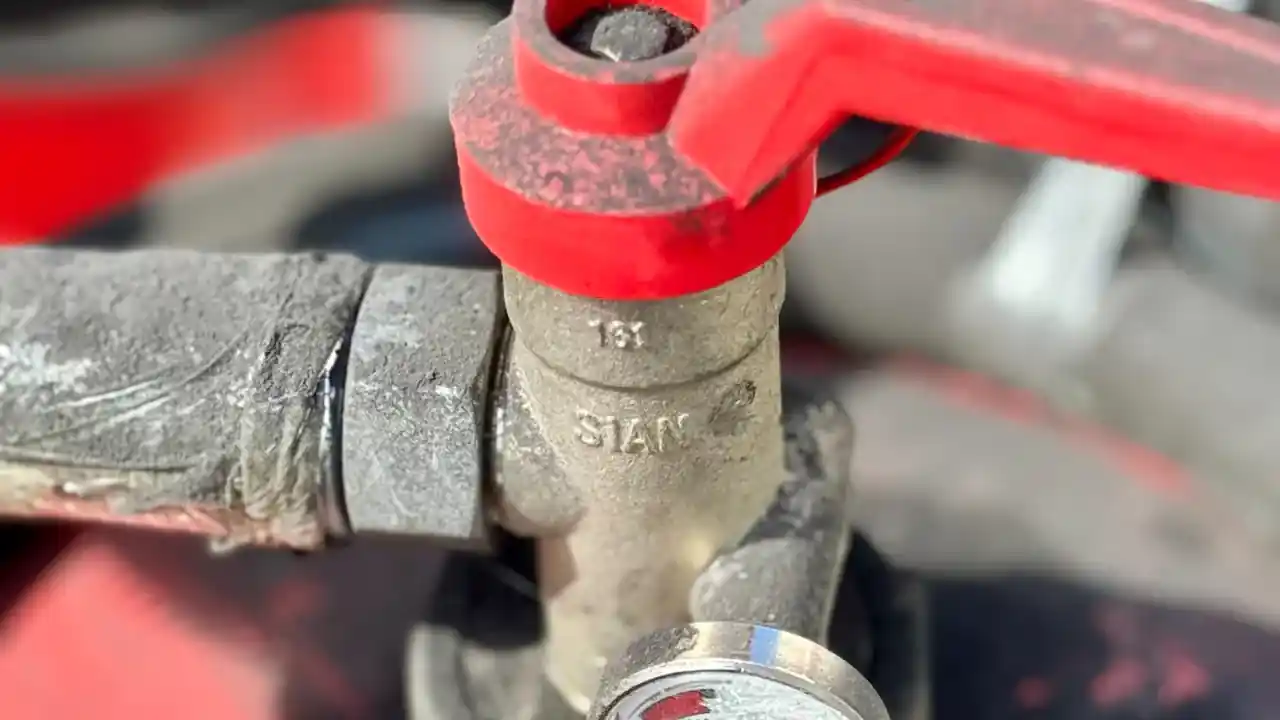
Water heater supply line replacement, step by step
- Find the exact joint. The provider dries the area and confirms which connector, nipple or union is leaking.
- Shut down and relieve pressure. Water and energy are turned off and a hot tap is opened to relieve pressure. The tank is partly drained if a nipple needs replacing.
- Replace the worn parts. Typically new flexible connectors with fresh washers, and new nipples or dielectric unions where corrosion is present.
- Check the tank openings. Threads in the tank are inspected; heavy corrosion here can change the repair-versus-replace decision.
- Restore and test. The tank is refilled, air is purged and every joint is checked under full pressure and after a heating cycle.
Pro tipIf one connector has failed from age, the other usually is not far behind. Replacing both the hot and cold lines at the same time saves a second visit.
New connectors should also allow for the heater's seismic straps, so an earthquake that shifts the tank does not pull a rigid joint apart. Water heater supply line replacement is a good moment to replace the shut-off valve.
What affects the cost of fitting repairs?
| Factor | Why it matters |
|---|---|
| Number of joints | One connector is quicker than replacing both lines, nipples and unions. |
| Corrosion level | Seized or rusted nipples take longer and may need the tank partly drained. |
| Pipe material | Rigid copper or galvanized piping may need re-work to connect new parts. |
| Valve condition | A leaking or stuck shut-off valve is often replaced at the same time. |
More detail is in the leak repair cost guide. A leak check after water heater supply line replacement confirms every joint is dry.
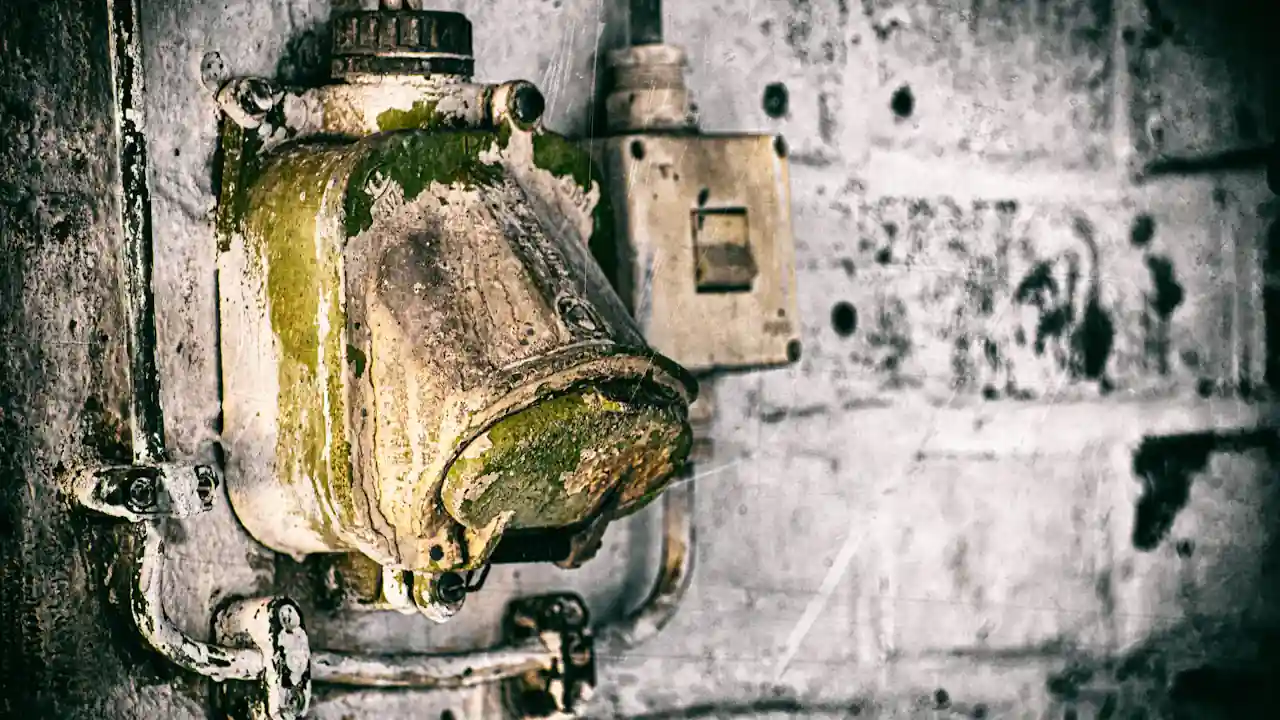
When a top leak becomes urgent
Call promptly if water is dripping onto the burner, the pilot keeps going out, water is running into the flue, or the leak is near electrical parts on an electric heater. A burst connector can also release water at full house pressure; if that happens, close the shut-off valve or the main water valve and call (562) 539-0506. The emergency water heater repair page covers the full shutdown steps, and for other leak points you can find local water heater leak help on our homepage. Water heater supply line replacement protects the floor and the tank jacket.
Water heater supply line replacement: frequently asked questions
Is a water heater leaking from the top dangerous?
Usually it is not an immediate danger, because most top leaks come from fittings rather than the tank. It becomes more serious if water drips onto a gas burner, into the flue or onto electrical parts, so shut off the cold-water valve and have it fixed promptly.
Why is my water heater leaking from the top?
The most common causes are corroded nipples or dielectric unions, a cracked or worn flexible connector, a loose connection, a leaking shut-off valve, or the relief valve. Condensation around the flue on cold mornings can also look like a top leak.
Can I just tighten a leaking water heater connection?
Sometimes a slightly loose nut seals with a careful snug-up, but corroded fittings often crack or get worse when forced. If there is rust, white crust or green corrosion, the part should be replaced rather than tightened.
What are water heater supply lines made of?
Most modern installs use flexible stainless steel connectors, either corrugated or braided, between the house piping and the heater nipples. Older installs may have rigid copper or galvanized pipe, which corrodes where it meets the steel tank.
How often should water heater connectors be replaced?
There is no fixed schedule, but connectors and nipples are usually replaced whenever the heater is replaced, and any time they show corrosion, kinks or seepage. Many plumbers simply replace old flexible lines rather than reuse them.
Does the whole water heater need replacing if it leaks from the top?
Rarely. Top leaks are almost always in replaceable parts. The exception is when corrosion has eaten into the tank's own threaded openings, which can make the fittings impossible to seal.